

About this comparison: This is a researched Australian buying guide based on manufacturer information checked on 17 October 2026, rather than a hands-on road test. Our recommendations interpret the published specifications; we have not measured ride comfort, handling, real-world range or charging ourselves.
Start with the Taycan GTS if sports-car focus and fast-charging capability lead your priorities. Try the i5 M60 if you want an executive sedan with serious performance. Put the Polestar 4 Dual motor on your list if hatchback access and a higher body style matter. A test drive and like-for-like quotes should decide the final order.
Which versions are we comparing?
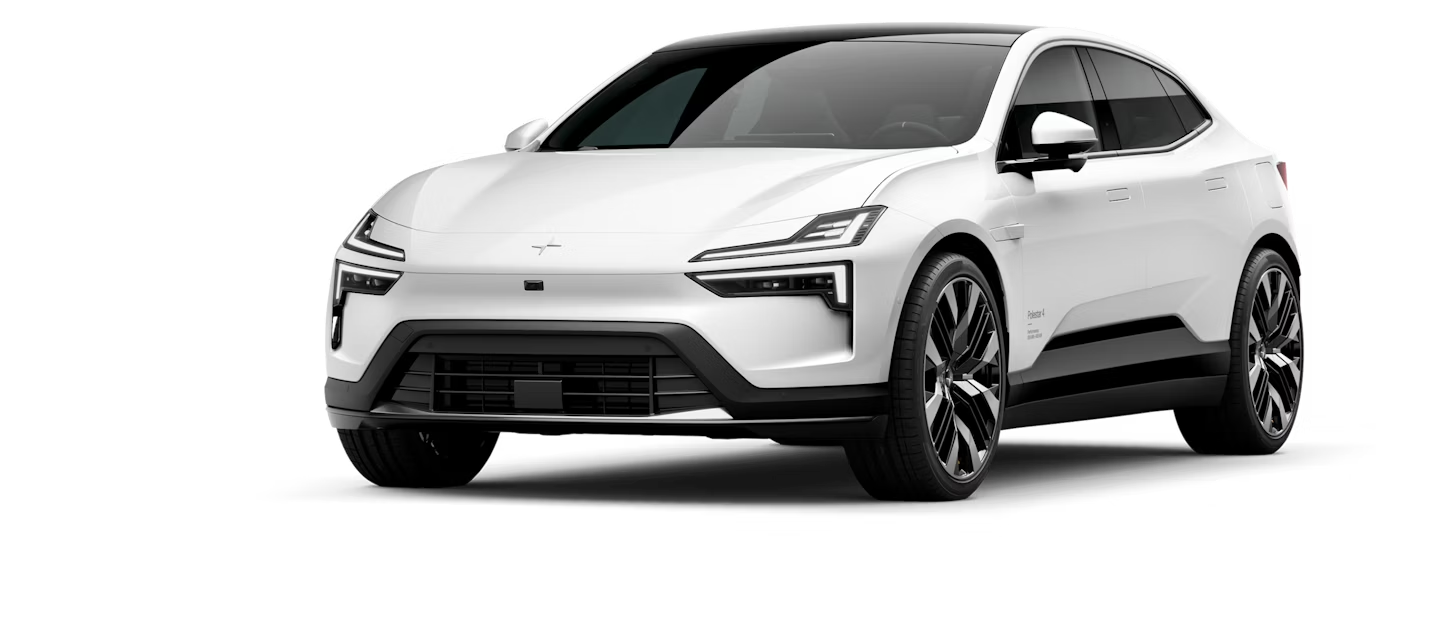
The Porsche is the current Taycan GTS sports sedan, the BMW is the G60 i5 M60 xDrive sedan, and the Polestar is the 4 Dual motor coupé. This is not the BMW i4, the i5 Touring or the newer Polestar 4 SUV. Similar names can hide different range, charging and equipment figures.
The numbers at a glance
| Published specification | Taycan GTS | i5 M60 xDrive sedan | Polestar 4 Dual motor coupé |
|---|---|---|---|
| Drive | All-wheel drive | All-wheel drive | All-wheel drive |
| Maximum power | 515 kW, overboost with Launch Control | 442 kW | 400 kW |
| 0–100 km/h | 3.3 sec with Launch Control | 3.8 sec | 3.8 sec |
| Published range | 505 km WLTP, Vehicle High | Up to 506 km, BMW AU figure | Up to 590 km WLTP |
| Peak DC charging | Up to 320 kW | Up to 205 kW | Up to 200 kW |
| DC 10–80% | 18 min | 30 min | 30 min |
| Buyer focus | Sports sedan | Executive sedan | SUV coupé with tailgate |
Manufacturer claims, not results from a shared test. Range figures are not matched wheel/equipment configurations: Porsche publishes a Vehicle High value while the others are up-to figures. They do not establish a real-world range winner. Charging claims assume suitable chargers and battery conditions; peak power is not sustained throughout a session.
Porsche Taycan GTS: the sports-car proposition
The GTS has the quickest claimed sprint here and an 800-volt charging system. Porsche's chassis specification includes adaptive air suspension and performance-focused control systems. That makes it the most obvious starting point for a buyer who wants a sports sedan first and an electric powertrain second.
Its 18-minute charging claim is compelling for a suitable highway stop, but it requires ideal conditions and compatible high-power infrastructure. It is not a promise at every charger. Ask the dealer to demonstrate battery preconditioning and planning a trip using chargers along your actual route.
What to check: Get in and out several times, try the rear seats with your regular passengers, and check luggage access. Drive the exact wheel and suspension specification you intend to buy. The badge and acceleration figure cannot tell you whether that configuration suits your local roads.
BMW i5 M60 xDrive: the executive-sedan option
The BMW combines a 442 kW all-wheel-drive system with a conventional sedan layout. BMW lists a length of 5,060 mm and a 490-litre luggage compartment. It is a sensible candidate for someone moving from a large premium sedan who wants to keep that format while switching to electric power.
Its published 3.8-second sprint matches the Polestar, while the quoted 10–80% charging time is also 30 minutes. Choosing between them therefore needs more than the performance table. Seating position, control layout and the shape of the boot opening deserve as much attention as the extra kilowatts.
What to check: Measure your garage and test parking with mirrors extended. Bring bulky luggage to check the sedan opening. Ask for a written specification for the M60 sedan: equipment or charging information from an eDrive40 or Touring listing should not substitute for your car.
Polestar 4 Dual motor: performance with hatchback access
The coupé combines 400 kW with a power-operated tailgate and a published 526-litre rear cargo capacity, including underfloor space. That makes it worth trying with your family luggage. Volume measurements alone do not show whether a particular pram, suitcase or mobility aid fits.
The digital rear-view mirror is a particularly important part of the test drive. Check how comfortably your eyes refocus between its screen and the road. Also try routine tasks through the centre display while parked, rather than deciding from photographs of the cabin.
What to check: Confirm which equipment packs are included in the quote. The Performance pack should not be treated as a free upgrade: wheels, suspension and the resulting specification may change the ownership trade-off. The 590 km headline should not be assumed for every configuration.
Australian prices: compare the complete quote
These are not automatically equivalent purchases simply because they appear in the same performance post. Ask each seller for the exact model year, grade, options, dealer delivery and all on-road charges in your state. Compare cash drive-away totals separately from finance repayments or lease illustrations.
A consistent, current price for all three exact configurations could not be independently verified from the manufacturer pages used here, so this guide does not present older launch prices as today's offers. Use the Porsche configurator link, BMW Build & Price and Polestar 4 coupé configurator, then request written quotes.
Charging and ownership beyond the headline
If you normally charge overnight, a small difference in highway charging time may matter less than the convenience of your home setup. If you rely on public charging, check the chargers near home and work and budget using their actual tariffs. Our guide to EV ownership without a home charger walks through that decision.
BMW publishes a five-year unlimited-kilometre vehicle warranty and an eight-year/160,000 km battery warranty for the i5. Polestar lists five-year vehicle and eight-year/160,000 km battery cover. Porsche lists eight-year/160,000 km high-voltage battery cover with capacity conditions that change over time. These are separate types of cover: read the full terms and confirm the vehicle warranty, exclusions and service obligations for the car being supplied.
Before committing, obtain insurance quotes for each exact grade and check replacement tyre prices, servicing access and finance terms. A lower electricity bill does not by itself establish the lowest total ownership cost.
Which one should you test first?
Test first if a sports-focused sedan and the strongest published DC charging capability are your priorities.
Test first if you want an executive sedan, conventional boot and high performance in the same package.
Test first if tailgate access and SUV-coupé packaging better suit your daily life.
Use the same test route, passengers and luggage for each. Include parking, rough surfaces and everyday speeds. The best choice is the one whose compromises you are happy to live with, rather than the car that wins one line of the table.
Sources and methodology
EV Matchup prioritises Australian manufacturer pages and government resources. Editorial recommendations are our own.
- Research checked 17 October 2026. Figures and equipment come from the Australian pages below; buyer recommendations are editorial interpretations, not measured road-test results.
- Porsche Australia — Taycan GTS performance, range basis, charging conditions and battery guarantee
- BMW Australia — i5 M60 xDrive sedan technical data
- BMW Australia — i5 warranty and buying information
- Polestar Australia — 4 coupé Dual motor specifications, equipment packs and warranty